

Stellantis has become one of the most powerful automotive companies in the world, combining legacy manufacturing strength with modern strategic thinking. Established in 2021, the company quickly positioned itself among the top global automakers by uniting multiple well-known brands under a single corporate structure. Today, stellantis operates on a massive scale, producing vehicles for a wide range of markets and customer segments.
The company plays a critical role in shaping the future of mobility. With increasing demand for sustainable solutions and advanced vehicle technologies, stellantis continues to evolve its operations to meet modern expectations while maintaining its strong industrial foundation.
Formation and Corporate Background
The formation of stellantis marked a historic milestone in the automotive sector. It resulted from the merger of two major automotive groups, bringing together diverse expertise from different regions. This strategic combination allowed stellantis to strengthen its global presence while achieving greater efficiency in production and development.
The merger created a unified entity capable of competing with the largest automotive companies worldwide. By consolidating resources, technologies, and talent, stellantis established a strong foundation for long-term growth. Its headquarters in Amsterdam reflects its international identity and global ambitions.
Global Presence and Structure
Stellantis operates in more than 130 markets, making it one of the most geographically diverse automotive companies. Its production facilities are spread across multiple continents, allowing the company to meet regional demand effectively.
The organizational structure of stellantis balances centralized strategy with regional flexibility. Each major region operates with a tailored approach, ensuring that local market needs and regulations are addressed efficiently. This structure enables stellantis to remain competitive while adapting to changing market conditions.
Key Brands Portfolio
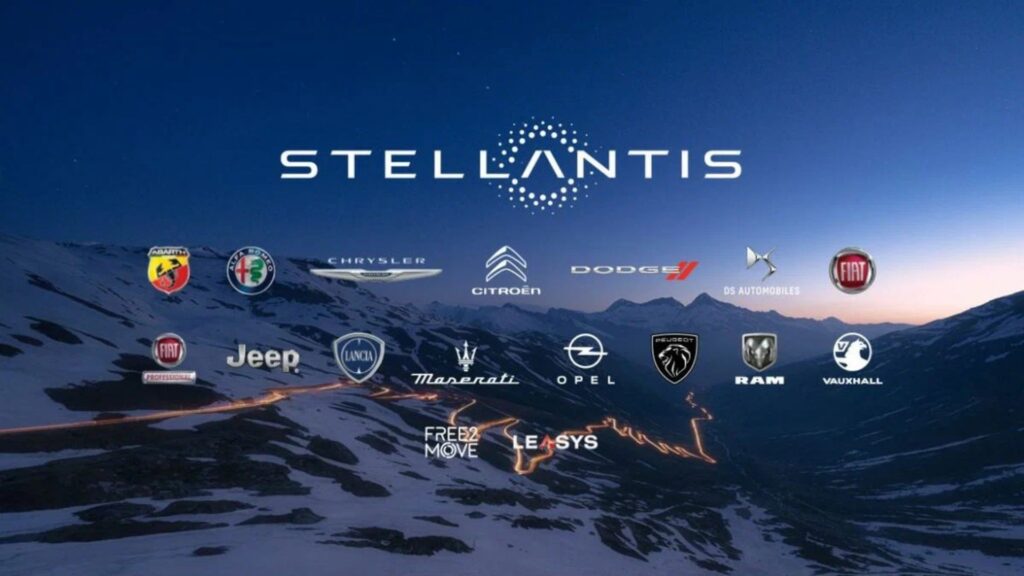
One of the greatest strengths of stellantis is its extensive brand portfolio. The company manages a wide range of automotive brands, each targeting different customer segments and market needs.
Major brands under stellantis include:
- Jeep
- Dodge
- Chrysler
- Peugeot
- Citroën
- Fiat
- Ram
- Opel
- Maserati
This diversity allows stellantis to serve customers across various price ranges, from affordable vehicles to premium and performance models. Each brand maintains its unique identity while benefiting from shared technology and production systems.
Business Strategy and Vision
Stellantis focuses on a long-term strategy built around sustainability, efficiency, and innovation. The company aims to transition toward cleaner energy solutions while maintaining profitability and market competitiveness.
A key part of this strategy involves expanding electric and hybrid vehicle offerings. Stellantis is investing heavily in electrification to meet environmental goals and regulatory requirements. At the same time, the company continues to improve traditional vehicle technologies to ensure a smooth transition.
Cost efficiency is another major focus. By integrating operations and reducing duplication, stellantis enhances productivity and strengthens its financial position. This balanced approach supports both growth and stability.
Financial Performance and Trends
The financial performance of stellantis reflects its global scale and operational strength. The company generates significant annual revenue, placing it among the leading players in the automotive industry.
However, market conditions have introduced some fluctuations in recent years. Factors such as supply chain disruptions, economic uncertainty, and shifting consumer demand have influenced performance. Despite these challenges, stellantis maintains strong production capabilities and continues to adapt to changing trends.
The company’s ability to respond quickly to market developments is a key factor in sustaining its competitive position.
Innovation and Technology
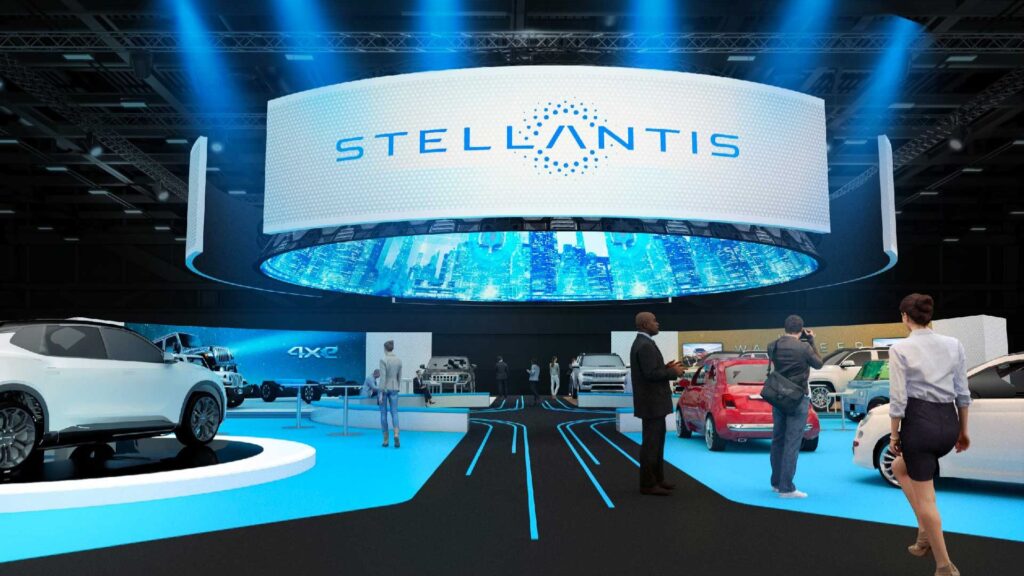
Innovation plays a central role in the growth of stellantis. The company invests in research and development to improve vehicle performance, safety, and environmental impact.
Key innovation areas include:
- Electric vehicle platforms
- Autonomous driving systems
- Artificial intelligence integration
- Connected vehicle technologies
These advancements allow stellantis to meet evolving customer expectations while staying ahead of industry trends. The company also collaborates with technology partners to enhance its capabilities and accelerate innovation.
Challenges and Industry Pressure
Despite its strengths, stellantis faces several challenges that impact its operations. The automotive industry is undergoing rapid transformation, driven by environmental concerns, regulatory changes, and technological advancements.
Competition among global automakers continues to intensify, requiring stellantis to constantly improve its products and strategies. In addition, supply chain disruptions and raw material costs create operational complexities.
Adapting to these challenges requires flexibility, strategic planning, and ongoing investment in innovation. Stellantis continues to refine its approach to ensure long-term resilience.
Future Outlook
The future of stellantis is closely tied to its ability to innovate and adapt. The company is expected to expand its electric vehicle lineup while exploring new opportunities in emerging markets.
Digital transformation will also play a significant role. Connected vehicles and smart mobility solutions are becoming increasingly important, and stellantis is investing in these areas to enhance customer experience.
With a strong foundation and forward-looking strategy, stellantis is well-positioned to remain a major force in the global automotive industry.
Conclusion
Stellantis represents a new phase in automotive evolution, combining tradition with innovation. Its global reach, diverse brand portfolio, and strategic vision make it a key player in shaping the future of transportation.
While challenges exist, the company’s focus on sustainability, efficiency, and technology ensures continued relevance in a rapidly changing market. Stellantis is not only adapting to industry trends but actively influencing them.
FAQs
What is stellantis?
Stellantis is a multinational automotive company formed in 2021 through the merger of two major automotive groups.
How many brands does stellantis own?
Stellantis owns multiple automotive brands, covering a wide range of market segments from economy to luxury.
Where is stellantis headquartered?
The company is headquartered in Amsterdam, Netherlands.
What is the main focus of stellantis?
The company focuses on innovation, sustainability, and expanding its electric and hybrid vehicle offerings.
What challenges does stellantis face?
Stellantis faces competition, supply chain issues, and the need to transition toward cleaner energy solutions.
