

Search engines often see variations of the same question, and one commonly typed phrase is “jhow old is scott mills.” While the spelling may vary, the curiosity behind it remains consistent. People want to know more about the well-known British broadcaster whose voice has been present on national radio for decades. Age, in this case, is more than a number it provides context to a long and evolving career.
Scott Mills has been part of British broadcasting culture for over two decades. His presence on major BBC platforms has made him a familiar figure to millions of listeners. Understanding his age helps frame his journey from teenage presenter to one of the most established voices in UK radio today.
Scott Mills’s Date of Birth and Current Age
Scott Mills was born on 28 March 1973 in England. Based on that birth date, he is 51 years old as of 2024. This milestone places him in a unique position within broadcasting — experienced, established, and still actively working in major presenting roles.
Turning 50 marked a significant personal and professional moment for Mills. Unlike industries where age can sometimes be seen as a limitation, broadcasting often rewards experience, credibility, and familiarity. In Mills’s case, his age reflects decades of refinement in communication skills, audience understanding, and adaptability.
For many listeners, it can be surprising to learn he is in his early fifties because his on-air presence remains energetic and engaging. That balance between youthful enthusiasm and seasoned professionalism is part of what defines his broadcasting style.
Early Life and First Steps Into Broadcasting
Scott Mills did not wait until adulthood to begin his career. His journey into broadcasting started at just 16 years old, when he secured a position at a local radio station called Power FM. Remarkably, he became one of the youngest permanent presenters on mainstream commercial radio in the United Kingdom at that time.
Working overnight shifts from 1:00 am to 6:00 am, six days a week, required resilience and discipline. These early experiences shaped his confidence behind the microphone. Instead of easing into radio casually, Mills entered the field with responsibility and consistent exposure to live broadcasting.
Those formative years allowed him to experiment, develop timing, and build audience rapport. Starting so young meant that by the time he reached his twenties, he already had substantial experience compared to many peers. His early dedication laid a strong foundation for the career that followed.
Becoming a Recognized Voice on National Radio
After building experience in local commercial radio, Mills progressed to larger regional stations before eventually joining BBC Radio 1 in 1998. This move marked a turning point. National radio brought wider audiences, higher expectations, and more significant opportunities.
Over time, Mills hosted various slots, including early breakfast and daytime programmes. His show became known for its interactive segments, audience engagement, and light-hearted tone. While radio trends evolved, he adapted consistently without losing his core presenting style.
Remaining with BBC Radio 1 for more than two decades is a testament to his relevance and reliability. Few presenters maintain such long tenures at major national platforms. His ability to connect across generations helped sustain his career through industry changes and audience shifts.
Career Longevity and Professional Growth
Longevity in broadcasting does not happen by chance. It requires adaptability, audience awareness, and continuous growth. By the time Scott Mills reached his forties, he had already achieved what many presenters aim for — stability, recognition, and influence.
However, rather than plateauing, he continued expanding his role within broadcasting. He participated in special programming, live events, and various BBC projects. His voice became associated with reliability and consistency, which are highly valued traits in national media.
Reaching the age of 51 while still holding prominent roles demonstrates endurance. Broadcasting can be demanding, with early mornings, tight schedules, and constant public exposure. Mills’s sustained presence reflects both professional discipline and audience trust.
Transition to BBC Radio 2 and Major Milestones
In 2022, Scott Mills transitioned from BBC Radio 1 to BBC Radio 2, a move that symbolized career progression rather than departure. BBC Radio 2 serves a broader, often slightly older audience demographic, making Mills’s experience particularly valuable.
In January 2025, he stepped into the role of hosting the BBC Radio 2 Breakfast Show — one of the most high-profile positions in British radio. Breakfast programmes are significant because they shape listeners’ mornings, provide updates, and set the tone for the day.
Taking on such a role in his early fifties underscores how age can enhance credibility. Rather than being seen as a drawback, his decades of broadcasting expertise strengthened his suitability for this responsibility.
This milestone confirms that his career is not slowing down. Instead, it is entering another influential chapter.
Public Identity and Personal Openness
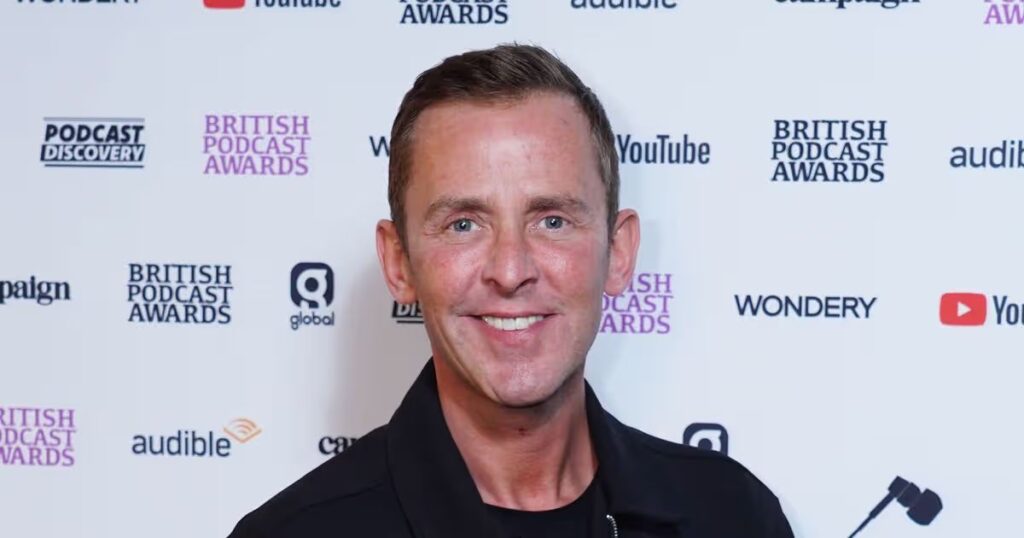
Beyond professional milestones, Scott Mills has been open about his identity and personal life in ways that have contributed positively to public perception. He publicly came out as gay early in his career, demonstrating openness during a period when many public figures chose to remain private.
His transparency fostered authenticity and connection with audiences. It also positioned him as a visible figure within the LGBTQ+ community in British media. While he maintains appropriate boundaries between personal and professional life, his openness has added depth to his public image.
Age often brings perspective and confidence, and Mills’s public identity reflects that maturity. His experience navigating both career and personal visibility contributes to his respected status in broadcasting.
Why His Age Matters in Broadcasting
When people search “jhow old is scott mills,” they may simply want a number. However, that number represents more than chronology. At 51 years old, Mills represents a generation of broadcasters who witnessed and adapted to significant industry shifts from analog broadcasting to digital platforms and online streaming.
He has experienced changes in listener habits, technology, and content expectations. Remaining relevant through these transitions requires flexibility and self-awareness.
In many professions, age correlates with accumulated expertise. In Mills’s case, his early start means he has spent over three decades in radio. That depth of experience allows him to handle live broadcasting challenges, audience engagement, and professional transitions with confidence.
His age also bridges generational gaps. He connects with long-time listeners who grew up hearing him while still engaging new audiences.
Conclusion Age Experience and Ongoing Influence
So, how old is Scott Mills? He was born on 28 March 1973 and is 51 years old as of 2024. But the more meaningful answer lies in what those 51 years represent.
They reflect a broadcasting career that began in adolescence and matured into national prominence. They signify adaptability through decades of industry transformation. They highlight resilience, professionalism, and steady growth.
Rather than marking a peak or endpoint, his age symbolizes continued evolution. As he takes on major presenting roles in the mid-2020s, Scott Mills stands as an example of how dedication and experience shape long-term success in broadcasting.
FAQs
How old is Scott Mills?
Scott Mills was born on 28 March 1973. As of 2024, he is 51 years old.
When did Scott Mills start his broadcasting career?
He began working in radio at just 16 years old, hosting overnight programmes at a local commercial station.
How long did Scott Mills work at BBC Radio 1?
He joined BBC Radio 1 in 1998 and remained there for over two decades before moving to BBC Radio 2 in 2022.
What role does Scott Mills currently hold?
As of 2025, he hosts the BBC Radio 2 Breakfast Show, one of the most significant morning radio programmes in the UK.
Why do people frequently search for his age?
Because he has been present on national radio for so many years, audiences are curious about how long he has been in broadcasting and how his experience aligns with his age.
